
What is Fertilizers? Know Its Advantages and Disadvantages
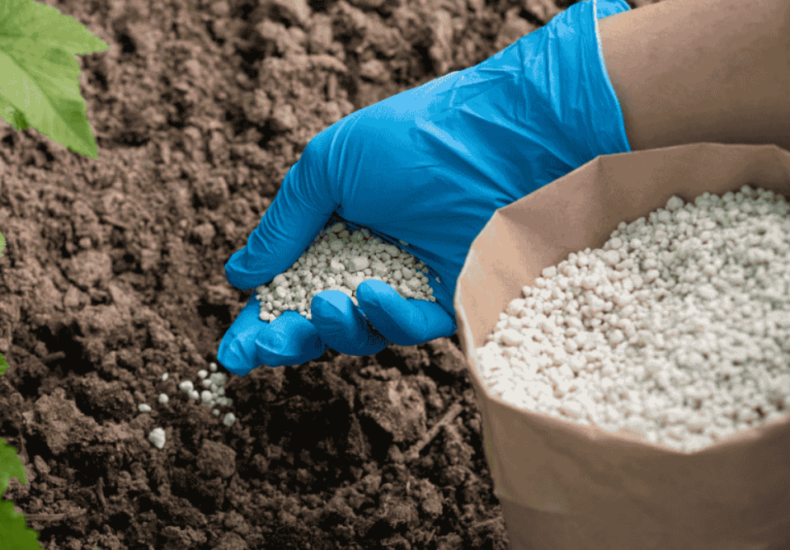
Agriculture is the foundation in many societies, particularly in the developing world. To sustain a population that is growing farmers need to create more food items from their scarce land resources. In time, natural soil fertility is no longer sufficient to meet the demand. To overcome this problem fertilizers have emerged as an integral part of modern farming. Fertilizers are chemicals added to the soil or to crops to provide the essential nutrients needed to promote plant growth. The nutrients include nitrogen along with phosphorus, potassium, and nitrogen together with other micronutrients.
Fertilizers are broadly divided in two categories: chemicals (synthetic) fertilizers as well as organic fertilizers. Chemical fertilizers are made in factories, whereas organic fertilizers originate from natural sources like compost, manure, and plant waste. Utilizing fertilizers has helped boost the yield of crops, increase the security of our food supply, and also contribute to economic expansion. However overuse and inefficient fertilizer use has led to grave health and environmental issues. Thus, knowing the benefits and disadvantages of fertilizers is crucial.
Advantages of Fertilizers
1. Increase in Crop Production
One of the biggest benefits of fertilizers is the boost in the productivity of agricultural production. Fertilizers deliver vital nutrition directly to the plants making them to grow faster and healthier. This can lead to greater yields of crops that are crucial to the growing demand for food.
2. Improvement in Soil Nutrient Content
Continuous farming can reduce the natural nutrients in soil. Fertilizers can replenish nutrients lost and improve soil fertility. This ensures that crops get adequate nutrition to allow for proper growth.
3. Faster Plant Growth
Chemical fertilizers are effective because nutrients are easily accessible to plants. This speeds up the germination process growth, maturation, and growth of crops, which allows the farmers to reap more often.
4. Supports Multiple Cropping
Utilizing fertilizers, farmers have the ability to plant multiple crops an entire calendar year, on the same farm. This practice, also known as multiple cropping, can boost the amount of food produced and also increases farmer income.
5. Improves Crop Quality
Fertilizers enhance the size, color, flavor in addition to the nutrition value the crops. A healthy supply of nutrients results in higher-quality vegetables, fruits and grains that look more attractive on the marketplace.
6. Ensures Food Security
Fertilizers play an important role in ensuring the security of food. A higher level of agricultural production aids in maintaining a steady food supplies and decreases the chance of famines and food shortages.
7. Economically Beneficial for Farmers
While fertilizers are costly but the improvement in crop yield usually results in increased yields for farmers. Fertilizers can help farmers make more efficient use of their the land and resources.
8. Easy to Store and Transport
Chemical fertilizers are small they are easy to store and are easy to move. This makes them ideal to use on a large scale particularly in areas that are that are far distant from the organic sources for fertilizers.
9. Essential for Modern Farming
Modern agricultural practices, such as intensive farming and high yielding varieties rely extensively on fertilisers. Without fertilizers it would be challenging to maintain current levels of production of food.
Disadvantages of Fertilizers
1. Soil Degradation
Chemical fertilizers are used in a way that causes soil damage in the course of time. They decrease the organic matter of soil, making it more difficult to work, less fertile and less able to hold water. This can reduce the productivity of soil over time.
2. Water Pollution
Fertilizers can be found in lakes, rivers as well as groundwater, through rainfall and water irrigation. This leads to water pollution and causes problems such as the eutrophication process, which causes the growth of algae to an unhealthy extent and the death of marine life.
3. Harmful to Soil Microorganisms
Chemical fertilizers destroy beneficial microorganisms in soil. Microorganisms play an essential function in maintaining the soil’s health and in recycling nutrients. The loss of these microorganisms can reduce soil fertility.
4. Health Hazards
The residues of fertilizer can get into water and food items. The high levels of nitrate in water can lead to serious health problems like the blue baby syndrome (blue Baby Syndrome), digestive problems as well as long-term illnesses.
5. Air Pollution
Certain fertilizers release harmful gases like ammonia and nitrogen oxide into the air. These gases cause global warming, air pollution and even climate change.
6. Dependence on Chemical Inputs
Excessive fertilizer use creates dependency. In time, the soil gets less productive if it is not treated with chemical substances and forcing farmers to apply more fertilizers to ensure a consistent yield.
7. High Cost for Small Farmers
Chemical fertilizers are costly. Farmers who are small and insignificant typically find it difficult to pay for these products, which can lead to financial strain and credit card debt. Growing prices for fertilizers raise production costs.
8. Reduction in Crop Nutritional Value
While fertilizers improve yields but excessive use may reduce the nutritional value of the crop. The appearance of vegetables and fruits may appear bigger, but they contain less essential nutrients.
9. Environmental Imbalance
The use of fertilizers in excess can disrupt the ecological balance. It can affect animals, plants soil, water, and systems, causing the long-term damage to the environment.
10. Risk of Overuse and Misuse
Many farmers apply fertilizers with no the proper information or testing of soil. Incorrect or improper application could result in crop burns, lower yield, and contribute to the amount of pollution to the environment.
Organic Fertilizers as an Alternative
Organic fertilizers like compost, manure that is green and animal dung can improve fertility and soil structure naturally. The slow release of nutrients decrease pollution, and help sustain agriculture. Organic fertilizers on their own might not be sufficient to satisfy the nutritional requirements of large-scale agriculture. A balanced mix of chemical and organic fertilizers is generally advised.
Fertilizers and Sustainable Agriculture
To minimize the negative impacts on fertilizers’ effects, environmentally sustainable methods must be followed. Testing the soil, balancing fertilizer application, the using bio-fertilizers and the right irrigation practices can limit the harm. The education of farmers on responsible fertilizer usage is crucial to safeguard the health of humans and the environment.
Conclusion
Fertilizers have played an essential part in boosting the production of food and assisting in modern agriculture. However their reckless and inconsiderate usage has led to grave health and environmental problems. Making use of fertilizers with care and in harmony using natural methods is crucial to sustainable agriculture development.
You may also like



Leave a Reply