
What is Dams? Know its Advantages and Disadvantages
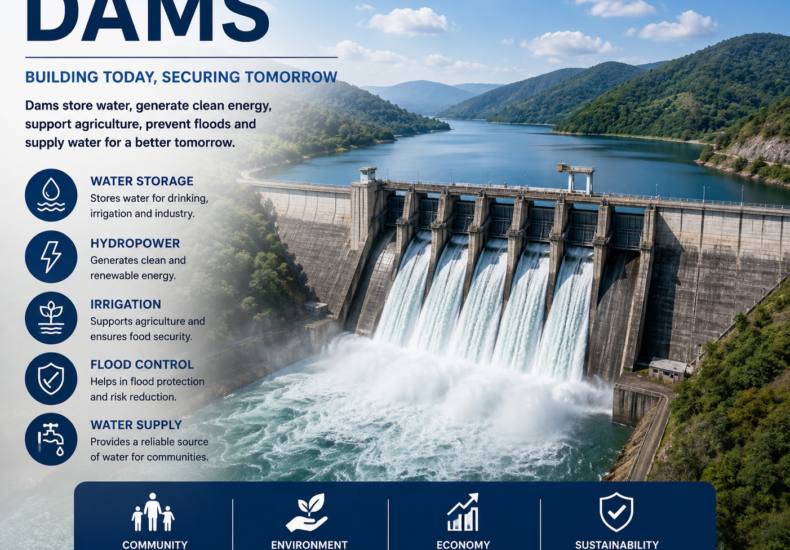
Dams are massive structures constructed along the rivers in order to hold, regulate as well as manage the flow of water. They are built for a variety of reasons like irrigation and hydroelectric power generation, flooding control and supply of water. Since the beginning of time, people have constructed dams to aid in settlements and agriculture. Today dams play an important role in the growth of economics and management of resources. Although dams offer numerous benefits, they can are also a source of grave environmental, social and economic challenges. This is why it is crucial to examine both the advantages as well as the disadvantages thoroughly.
Advantages of Dams
1. Irrigation Support
One of the main benefits of dams is the irrigation. Dams store water from rivers and then release it via canals to fields for agriculture. This provides a constant stream of drinking water particularly in dry times. It helps farmers to grow their crops throughout the year, and improves the productivity of agriculture.
2. Generation of Hydroelectric Power
Dams are one of the major sources in renewable energy. The dam’s water is used to create hydroelectric power using rotating turbines. This energy source is not a source of pollution to the air and decreases dependency on fossil fuels. Hydropower is safe, renewable and economical over the long term.
3. Flood Control
Dams are a way to control flooding because they store excess water in the heavy rains. By controlling water flow dams can prevent flooding which could destroy crops, homes and even human lives. Dams for flood control guard downstream areas against damages and also reduce economic losses.
4. Drinking Water Supply
Dams are the most reliable reservoir of clean drinking water to towns and cities. The stored water is treated before being is then distributed to industrial and household users. This is crucial in regions that face water scarcity and rapid growth in population.
5. Industrial Development
Industries require huge quantities of water for production cooling, cleaning, and cooling processes. Dams provide constant access to water for industrial zones that support economic growth as well as job creation.
6. Navigation and Transportation
Certain dams enhance the flow of rivers by ensuring levels of water. This assists in the movement of goods via rivers, reducing the stress on rail and road transportation and decreasing the costs of transport.
7. Fisheries and Aquaculture
Reservoirs formed by dams aid fishing and aquaculture. They provide opportunities for the local residents and help to increase food security. Fisheries also contribute to local economic growth.
8. Recreation and Tourism
Dams and reservoirs can be tourist destinations. Things like fishing, boating picnics, as well as sightseeing bring in revenue and generate jobs. Famous dams draw visitors and boost tourism to the region.
9. Drought Management
In periods of lower rainfall, the water stored in dams is used to control drought conditions. The controlled release of water assures the supply of water to agriculture, drinking industry, and drinking dry times.
Disadvantages of Dams
1. Displacement of People
One of the most significant disadvantages that dams face is their displacement individuals. The vast areas of land are submerged in order to form reservoirs, requiring hundreds of households to relocate. Resettlement and rehabilitation are often insufficient, leading to financial and social difficulties.
2. Environmental Damage
Dams disturb natural river ecosystems. They can affect the movement of rivers, the temperature of water, as well as the natural movement of sediment. Animals and aquatic plants suffer from changes to the habitat, resulting in disappearance of biodiversity.
3. Loss of Forests and Wildlife
The construction of dams results in the submergence and loss of forest, wildlife habitats, as well as agricultural land. This causes deforestation as well as disappearance of wildlife. Many species are threatened with imminent extinction because of the destruction of their natural habitat.
4. Sedimentation Problem
As time passes, the river sediments build up in reservoirs. This decreases the capacity of storage of dams and reduces their effectiveness. Desiltation can be costly and complicated which reduces the lifespan of dams.
5. Impact on Downstream Areas
Dams can reduce the flow of natural water to the downstream regions. This can affect fisheries, agriculture and soil fertility. The farmers downstream could face problems with water supply and decreased yields on crops.
6. Risk of Dam Failure
Dams can be at possibility of failing due to extreme rainfall, earthquakes and poor maintenance or technical issues. Dam collapses can result in massive flooding as well as loss of life and even destruction of properties downstream.
7. High Cost of Construction
Building dams requires huge financial investment. Construction, maintenance as well as rehabilitation expenses are incredibly expensive. In certain cases the benefits don’t make up for the cost.
8. Waterlogging and Salinity
Dams that are over-irrigated can cause soil salinity and waterlogging in the agricultural areas around. This decreases soil fertility and impacts crop production over the long run.
9. Social Conflicts
Dams are often the cause of conflict between regions, states, or communities over sharing of water. Water distribution disputes can result in political tension and legal disputes.
10. Climate and Health Issues
The stagnant water in reservoirs could increase humidity and impact the local climate. It also can become a breeding area for mosquitoes, resulting in illnesses such as dengue and malaria.
Dams and Sustainable Development
Modern planning stresses the necessity of an environmentally sustainable development of dams. Environmental impact studies, appropriate rehabilitation plans, efficient water management and alternative options like rainwater harvesting are vital. Multipurpose and small dams are generally considered more sustainable than larger dams.
Conclusion
Dams play a significant part in the process of irrigation, power generation, as well as water management, resulting in economic growth. However, issues such as environmental damage, displacement and the high cost of dams cannot be overlooked. A balanced approach to planning and responsible management is essential to ensure that the benefits of dams are greater than their drawbacks.


Leave a Reply