
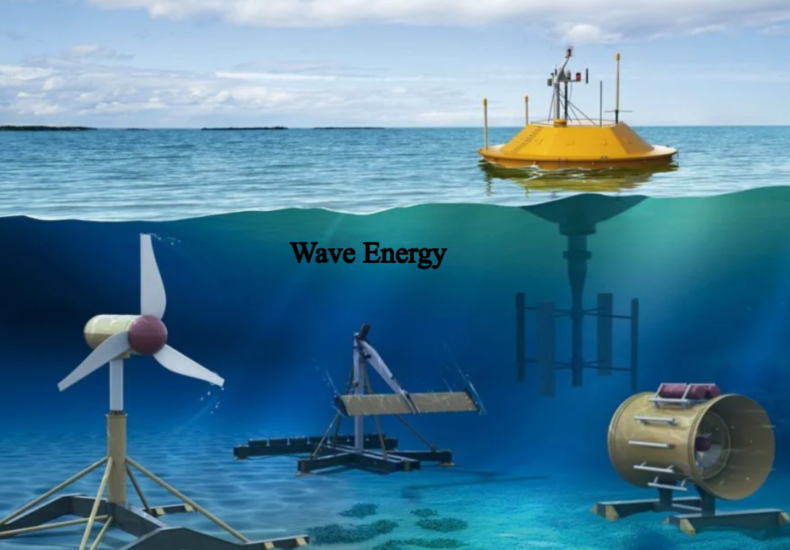
What is Wave Energy? Its Advantages and Disadvantages
The demand for energy across the globe is rising quickly due to increasing population as well as industrialization and contemporary lifestyles. In the same way traditional energy sources like oil, coal and natural gas are becoming scarce, and are the cause of serious environmental issues such as the pollution of air and climate changes. To tackle these challenges nations are looking at alternative and sustainable sources of energy. One of the most promising sources is the wave energy.
Energy from waves is type of energy from the ocean that utilizes the motion of waves to produce electricity. The waves are created by the wind that blows across the surface of ocean. This energy is able to be gathered with special machines that are placed close to the shoreline or beneath deep waters. Since oceans cover an enormous portion of the Earth the energy of waves has immense potential. However, despite its potential however, it also faces technical, economic, as well as environmental issues. To fully appreciate its value it is essential to understand both the benefits and disadvantages of the wave energy.
Advantages of Wave Energy
1. Renewable Source of Energy
One of the major benefits of using wave energy is the fact that the energy is renewable. The ocean waves are generated continuously by wind, and they will never be exhausted. As long as the wind is blowing and oceans exist, waves energy can be utilized.
2. Environment Friendly
Wave energy doesn’t produce harmful emissions like sulfur dioxide or carbon dioxide when it generates electricity. It doesn’t require burning fossil fuels, which makes it an eco-friendly and clean energy source that reduces global warming and air pollution.
3. Abundant and Widely Available
Oceans encompass over 70% of Earth’s surface. All coastal regions are connected to energy from waves. This makes it a readily accessible energy source, particularly in countries with long coastlines.
4. High Energy Density
As compared to solar and wind energy sources, wave energy has more energy. That means that waves can carry more energy within less space, which allows more electricity to be generated using smaller devices.
5. Predictable Energy Source
Waves from the ocean are much more predictably than solar or wind energy. Wave patterns are forecast in advance, which assists in the better planning and management of energy generation.
6. Reduces Dependence on Fossil Fuels
Wave energy can reduce dependence on oil, coal, and gas. This increases security in energy supply and lowers the amount of fuel imports, particularly for coastal countries.
7. No Land Requirement
The wave energy system is located in the oceans, which means they do not take up valuable land. This helps avoid issues like the acquisition of land, forest destruction and displacement of human beings.
8. Long-Term Energy Potential
The oceans are likely to remain reliable energy sources for many thousands of years. Wave energy can be the potential for a long-term solution to future energy needs, if technology develops.
9. Supports Coastal Development
Wave energy projects could create jobs in coastal regions related to maintenance, construction research, as well as marine engineering. This boosts local economies as well as growth.
10. Complements Other Renewable Sources
Wave energy is a great complement to solar energy and wind power. If the solar output is poor or wind speeds slow waves can assist to maintain the supply of electricity, thus increasing the energy balance.
Disadvantages of Wave Energy
1. High Initial Cost
One of the main drawbacks of energy from waves is the expensive installation costs. The construction and installation of wave energy systems in the ocean require advanced technology, durable materials and a large amount of money.
2. Technology Still Developing
The wave energy technology is in its initial stage of developing. A lot of designs are still in the experimental phase and have not been tested on a commercial scale. This can increase technical and financial risk.
3. Maintenance Difficulties
Maintenance of equipment at sea can be costly and time-consuming. Saltwater can cause corrosion as well as strong storms and waves could cause damage to equipment, which can increase the cost of maintenance.
4. Environmental Impact on Marine Life
Wave energy devices can disrupt marine ecosystems. Structures underwater, noise and moving parts may be detrimental to marine life, fish and marine habitats If not managed properly.
5. Limited Suitable Locations
Wave energy is most effective in areas that have consistently strong and steady waves. Not all coastal areas have appropriate conditions for waves, which limits the widespread application of this energy.
6. Power Transmission Challenges
Electricity generated offshore needs to be delivered to the land using underwater cables. Installation and maintenance of these cables is expensive and technically difficult.
7. Weather and Storm Risks
Extreme weather conditions, such as storms, cyclones and tsunamis can cause damage to waves energy systems. Making equipment able to withstand such forces can increase the costs and complexity.
8. Visual and Coastal Concerns
Certain wave energy installations close to the shoreline could impact the views of the coast. This can result in protests from local communities as well as tourism industry.
9. Energy Loss During Conversion
Energy is lost in the process of converting the motion of waves into electricity. The current technology isn’t very efficient, which reduces overall output.
10. Lack of Infrastructure and Awareness
A lot of countries do not have the right infrastructure, skilled workforce and the knowledge to design waves energy-related projects. This hinders adoption and widespread use.
Wave Energy and the Future
The wave energy sector has the potential to become a significant component of the green energy system. Engineers and scientists are working to create stronger, more affordable and efficient waves energy technology. With improved designs, better materials, and support from the government the current restrictions could be eliminated. Small-scale and hybrid renewable energy projects can help boost the growth of wave energy gradually.
Conclusion
Energy from waves is safe and renewable source of power that has huge potential because of the size of oceans. It can provide environmental benefits as well as long-term security of energy. However, the high cost technological challenges, as well as environmental issues remain major hurdles. Through continued research, development and a thoughtful approach to development, wave energy could contribute to addressing future energy requirements in a sustainable manner.
You may also like


Leave a Reply