
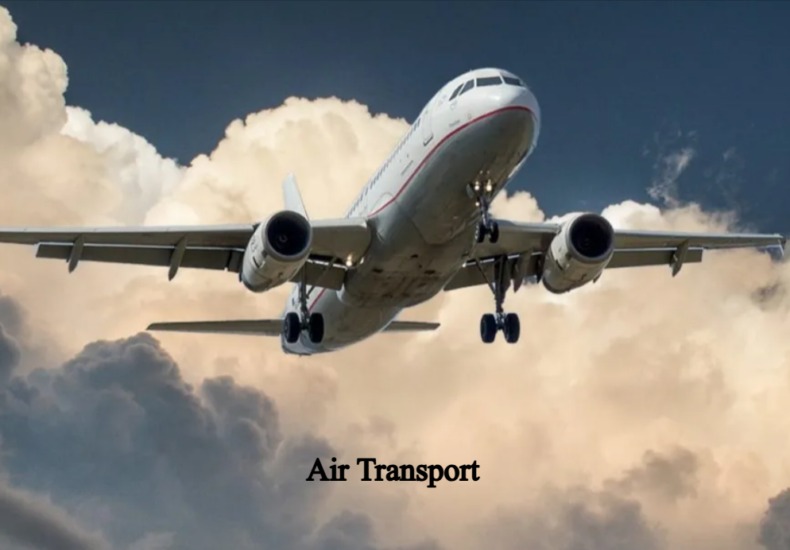
What is Air Transport? Know its Advantages and Disadvantages
Transport is an important factor in the socio-economic growth of a country. It aids people to travel and goods get to markets and countries connect to the world. There are many different methods of transportation, such as rail, road, or water transport, air transportation is the most efficient and modern. Air transportation refers to the transportation of passengers and cargo by planes via the air. It covers the domestic flight, flights to international destinations cargo planes and air mail services.
Air Transport has revolutionized travel worldwide and commerce. The process that used to take weeks at sea or days on land is now completed within a couple of hours using air. It is a crucial element in tourism, international relations as well as emergency services and defense. But, air travel is expensive and energy-intensive. It is also restricted in its accessibility. To fully appreciate the significance of air transport it is important to examine both the advantages and drawbacks of air transportation.
Advantages of Air Transport
1. Fastest Mode of Transport
The main benefit of air transportation is its speed. It’s the quickest method of traveling across large distances. Airplanes can travel thousands of miles in only one or two hours, thereby saving precious time for both passengers and companies.
2. Suitable for Long-Distance and International Travel
Air transport is perfect for long-distance or international travel. It connects continents and countries quickly, making travel across the globe effortless and simple. This has led to increased the international collaboration and exchange of culture.
3. Saves Time for Business and Trade
Professionals, business executives and government officials favor air transport due to its rapid travel time and efficient utilization of time. The speedy movement of people and products aids in the growth of global trade and economic development.
4. Essential for Emergency Services
Air transport plays a crucial role during emergencies. Rescue helicopters, air ambulances and relief aircrafts are utilized for natural disasters, medical emergencies also rescue efforts in remote and unaccessible regions.
5. Ideal for Perishable and Valuable Goods
The air transport system is the best for transporting perishable goods like medicines, vaccines as well as fruits, flowers seafood, dairy products. Also, it is utilized to transport high-value things like electronics, gold and important documents securely.
6. Connects Remote and Inaccessible Areas
Air transportation links remote, hilly, islands and desert regions where rail and road networks aren’t easy to construct. This increases accessibility and encourages growth in remote areas.
7. Promotes Tourism
The growth of air travel has significantly boosted tourism. Tourists can easily and comfortably across different regions of the globe. This helps local economies, creates jobs and encourages exchange of culture.
8. High Level of Comfort
Modern aircraft provide a superior degree of comfort for passengers. Facilities like comfy seating, entertainment on the plane meals, as well as air conditioning make long flights more enjoyable.
9. Reduces Travel Fatigue
In comparison to long ocean or road trips air travel can reduce physical fatigue. Air travelers can get to their destinations faster and are less exhausted This is particularly beneficial for professional and elderly passengers.
10. Supports National Security and Defense
Transport by air is crucial in national defense. Air force forces use aircraft for surveillance, transportation of troops and defense missions. It improves security for the nation and the capability to respond to emergencies.
Disadvantages of Air Transport
1. High Cost
One of the biggest drawbacks of air travel is the cost. It is costly in comparison to rail and road transportation. Costs for tickets, fuel as well as maintenance fees make it expensive for a lot of people.
2. High Initial Investment
The construction of runways, airports, aircrafts and navigation systems require massive investment. Maintenance of airports and aircrafts is also expensive and makes air transportation capital-intensive.
3. Limited Carrying Capacity
As compared to trains and ships The capacity of aircrafts is limited compared to trains and ships. for transporting bulky and heavy items. Air transportation is therefore not suitable to transport large amounts of raw materials such as iron ore, coal, and cement.
4. Weather Dependence
Air travel is greatly dependent on weather, like storms, fog heavy rain, fog, and snowfall. Unfortunate weather conditions can cause delays in flights, cancellations, or accidents, causing frustration and financial loss.
5. Environmental Pollution
Aircraft consume large quantities of fuel, and release carbon dioxide as well as various greenhouse gases to the air. This causes the pollution of the air and also to climate change. Noise pollution in airports is another major issue.
6. Risk of Accidents
While flying usually is safe but accidents may still happen due to human error, technical issues or even extreme weather conditions. When air crashes occur usually cause heavy losses of lives and property.
7. Not Accessible to Everyone
Air travel isn’t easily available to everyone in the world. Airports are typically away from cities and a lot of rural areas are not equipped with airport facilities. This makes it less accessible to the road transportation.
8. Security Concerns
Security checks at airports are extremely strict to avoid hijacking, terrorist attacks and other illegal activities. The security checks can increase travel time and could create stress and discomfort for passengers.
9. Limited Door-to-Door Service
Air transport does not provide door-to-door service. Goods and passengers must travel via roads to get to airports and their final destinations, thereby increasing travel time and costs.
10. Dependence on Advanced Technology
Air transportation is heavily dependent on modern technology and experienced professionals. Systems breakdowns, technical issues or the absence of properly trained staff could disrupt operations and pose safety hazards.
Role of Air Transport in the Modern World
In our globalized world air travel is essential to connecting countries, supporting trade and responding to emergency situations. It is vital for internationalization, tourism, business as well as diplomacy. In spite of its shortcomings it is still the foundation of global connectivity.
Conclusion
Air transport is the most efficient and most efficient form of transport for long-distance or international travel. It is time-saving, and helps with the global economy, tourism, as well as emergency assistance. However, the high price and environmental impacts, as well as weather dependence and inaccessibility are among the major disadvantages. The use of a balanced strategy, including enhanced technology and a commitment to the environment is essential to maximize the benefits of air travel while minimizing its disadvantages.
You may also like
Leave a Reply